Healthy life initiative for disabled children
Persons with disabilities are still among the most neglected groups in the policy domain as well as in the private sphere. The majority of these persons face enormous economic and social barriers that have an advance impact on their development and well being. Many of them do not have access to basic services such as health, education and experience multiple deprivations even with in their families and are invisible in the national policy agenda.
Children with disabilities in Uganda Make up approximately 16% of the population. According to national action plan for children with disabilities, children looked at to be with disabilities are 2,027,148 children among which 1,052,000 are boys and 974488 are girls. Uganda therefore put legislations in place to cater for those with disabilities and this include The Constitution of the republic of Uganda 1995, National development plan for children with disabilities, National disability policy 2006, as well as the persons with disabilities act 2006
This action plan aimed at filling the gap and promoting the value of self for those children known with severe disabilities worked with Jenga Ntoto Foundation learning center in mpererwe, a rehabilitation center in Kampala district to provide small-scale welfare help. This allowed the children to access health food, therapeutic and rehabilitation services for those with learning disabilities for over 20 children aged between 6 months -12 years
Staff capacity building
Human resource is essence of any organisation. An organisation’s human resource epitomise the mutual competence and involvements of its people required to meet an organisations goals and objective. When an organisation thrives in attracting the right kind of people. The right number of people at the right time and unleashing their full potential, good things happen.
With support from Partners, TCEI has undertaken a number of both human resource capacity building initiatives for both the staff and the board members, institutional development activities like: board orientation, policy development and strategic planning, the following have stood out in the area of capacity and institutional development over the last year. The board, management and staff, attended a reflection week to review and plan for the future.
The reflection also kick started the process of developing reviewing the new TCEI strategic plan for the next five years. The board was also involved in the monitoring of the project activities where the members visited all project areas and projects to understand the kind of work done on the ground.
The water technician and hygiene promoters also attended a review workshop in Kisumu-Kenya to further boost their skills in wash TCEI has been able to review the financial, Volunteer and child Protection policies as we continue to engage with the young disabled groups The organisation has also undergone registration for Financial Intelligence Authority (FIA) in accordance with the anti-money laundering act 2023 (as amended)
Strategic action on water, hygiene and sanitation (WASH)
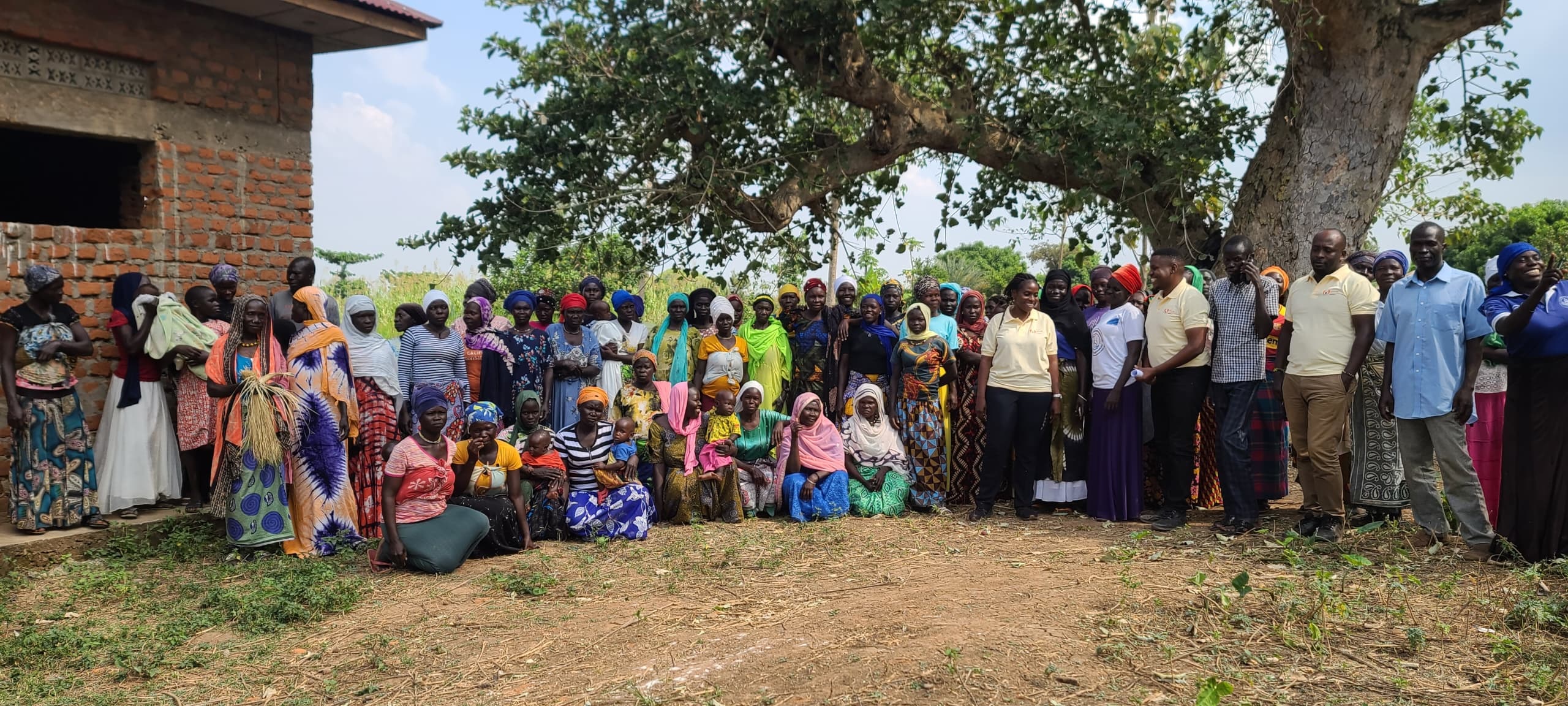
Due to persistent demand and need for clean and safe water in most of TCEI’s area of operation, TCEI introduced the right to safe water. The targeted communities were introduced to the application of the right awareness-based approach to service delivery water jars and tanks TCEI trained 102 people in Kyempene local council, Ntugamo district to identify, priotise and forward community needs to government and other duty bearers. More emphasis was put on training water user committees to advocate for the right to sate water in their communities. They were equipped with skills and knowledge in voicing, engaging and demanding for safe water facilities from government and other duty bearers.Further, TCEI advocates for gender equality and equal representation of women and men on the water user committees’ is optimistic that the community it serves is transforming from service delivery to demand driven approach. With regard to improving access to clean and safe water, it provided 21 water jars in the most vulnerable grandmothers house holds and 2 ferro cement tanks in two schools increasing access to clean and safe water for 547 school children. Community participation right from needs assessment to identification of the most needy villagers and maintenance of the facilities contributed to the success of these activities
Issues emphasized through the wash healthcare camp included: Community management: To develop, implement and maintain community -managed, sustainable water and sanitation facilities Community ownership: To involve communities in all processes right from decisions and the construction and maintenance of the water supply and sanitation systems Community learning: to increase community knowledge and practise of proper hygiene and sanitation through partipatory learning practices, for local water and sanitation committees
Capacity building: to strengthen the community’s capacity to administer community development projects, increased water provision has tremendously contributed toward reduction of water borne diseases The time and effort spent collecting water by women and school children reduced, allowing children to spend more time in school and women to engage in come activities or to spend time with their children
Success Story: Empowering Women Through Thrive's "Empower Her" Program in Kiwatule Uganda
In the bustling slums of Kiwatule Wabidugu, a group of 20 women who had previously experienced immense hardship, including being victims of domestic violence, HIV/AIDS, sex trade, and incarceration, are transforming their lives with the support of the Thrive Empower Her program. This initiative, designed to help reintegrate ex-offenders back into their communities and provide mental health support, is fostering empowerment and sustainable livelihoods for vulnerable women. Among the participants were four mothers of children with disabilities. These women faced compounded challenges: caring for children with special needs while struggling to make ends meet in a community plagued by poverty and social stigmas. Despite these hardships, the Thrive program has been a beacon of hope.
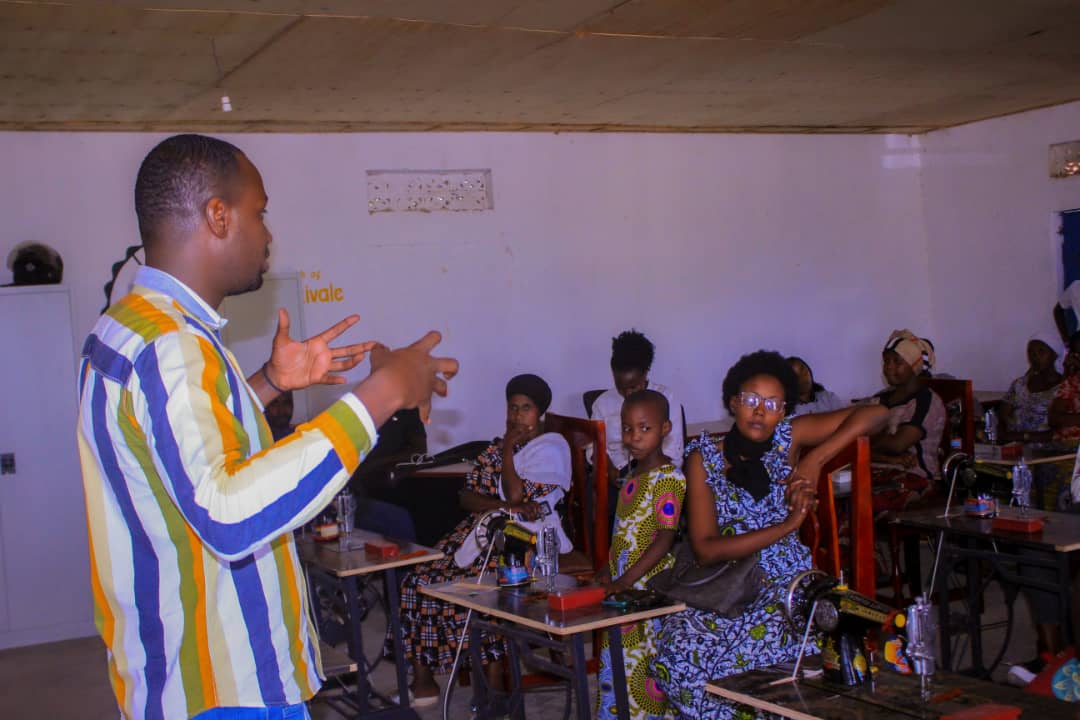
Rebuilding Lives through Skilling Pathways The program’s first key component – skill development – has given these women the tools they need to support themselves and their families. Through vocational training in tailoring, hairdressing, and entrepreneurship, they have acquired not just skills, but also a renewed sense of self-worth. . Sarah, a mother of two disabled children, was once trapped in the cycle of sex work to provide for her family. Today, she runs a small tailoring business from her home. "Before this program, I didn’t believe I had any future. Now, I am proud to provide for my children. I am not only supporting my family but also helping other women in my community learn tailoring skills," Sarah shared with a tearful smile. The program’s holistic approach combines vocational training with mental health counseling, which has been essential for many participants who have endured trauma. Joan, a former prisoner, faced immense stigma and emotional scars from her past. "The counseling sessions have been life-changing," Joan explains. "I never thought I could leave behind my past. But with the support I've received, I've learned to forgive myself and work towards a better future." .
Overcoming Mental Health Barriers Mental health support has been central to the Thrive Empower Her program. Many women struggled with PTSD, depression, and anxiety due to their experiences with domestic violence and incarceration. The program’s counseling services, provided by trained professionals, have been a safe space for these women to express their emotions and begin healing. . Patience, another participant, had been living with untreated depression after losing her husband to HIV/AIDS and being left with the responsibility of raising two children. She was struggling to balance her health and caregiving responsibilities. Through Thrive's mental health support, Patience has found coping strategies that have improved both her mental and physical well-being. “I never imagined that I could feel hopeful again, but now I see a future where my children can go to school, and I can support them," Patience said, beaming with newfound hope.
Creating Sustainable Change The program has also had a significant impact on reducing domestic violence within households. According to local statistics, the number of domestic violence cases in the area has decreased by over 40% since the introduction of the Thrive Empower Her program. Women are now equipped not just with skills but with the confidence to stand up for their rights and speak out against abuse. The women’s newfound economic independence has also contributed to improved family dynamics. Women who once depended on abusive partners or harmful survival tactics, like sex work, are now able to provide for themselves and their families with dignity. This shift is creating ripple effects in the broader community, fostering a culture of support, understanding, and resilience.
Impact and Future Aspirations By the end of the program, 15 out of the 20 women had started small businesses, with 10 having successfully expanded their operations. This has translated into improved financial security for their families, with some even sending their children to school for the first time. Additionally, the mental health support has not only helped them cope with past traumas but has given them the strength to take on leadership roles in their communities.
"Before Thrive, I thought my life was over," says Esther, another participant. "Now, I know my journey has just begun. I want to open a larger salon and employ other women who need help, just as I once did." The Thrive Empower Her program is a testament to the power of community-based interventions in transforming the lives of marginalized women in Uganda. These 20 women have gone from surviving to thriving, and their stories of resilience, recovery, and success are an inspiration to many
Key Statistics and Achievements:
• 20 women participated in the program, including those affected by HIV/AIDS, ex-offenders, and mothers of children with disabilities. • 10 women started small businesses in tailoring, hairdressing, and entrepreneurship, with 5 women expanding their businesses. • 40% decrease in reported domestic violence cases in the Kiwatule Wabidugu slum area since the program's introduction. • 15 women gained employment or created self-sustaining businesses. • 70% of participants reported improved mental health and coping mechanisms. • 5 women now offer vocational training to other women in their communities, spreading knowledge and supporting the next generation of empowered women.
Thrive Empower Her has proven that with the right support, women who have faced violence, stigma, and adversity can rise above their circumstances and create lasting change not just for themselves, but for their communities as well.
Reduing reoffending for female offenders through skilling
The project aims to reduce reoffending by offering female offenders holistic interventions that include: vocational training, mental health counselling, and post-release reintegration support
1. - Project Overview - High reoffending rates among women in Uganda's prison system, especially those aged 17-35. - Key Issues: Insufficient rehabilitation, vocational skills, mental health support, and post-release reintegration. 2. Current Situation - Facts and Figures - Around 3,000 women incarcerated in 2023. - Many lack skills for reintegration and face societal stigma, leading to survival tactics like sex work. 3. Key Challenges (Needs Assessment) - Rising Prison Population: Overcrowded prisons with more female inmates for non-violent crimes. - High Recidivism Rates: Nearly 60% reoffend within two years due to socio-economic pressures. - Vulnerability to the Sex Trade: Released women often have limited legal employment options. - Mental Health Challenges: Unaddressed trauma and poverty hinder reintegration. 4. Project Goals- Objective: Break the cycle of reoffending by addressing root causes. - Vocational Training: Equip women with skills to improve post-release employability. - Mental Health Support: Provide trauma-informed care for psychological challenges. - Reintegration Programs: Facilitate transitions back into society with social services and job opportunities. 5. Global Inspiration: Inspiration from Global Models: - Proven programs show vocational training and mental health support can reduce reoffending. - This project adapts these strategies for female inmates in Uganda. 6. How It Works - Pre-release Training: Tailored vocational skills training in prisons. - Mental Health Interventions: Counseling and therapy to address trauma. - Post-release Reintegration Support: Ongoing training, job placement, and community support. 7. Impact - Reduce reoffending rates from 60% to below 30% in three years. - Enhance employability and reduce reliance on the sex trade. - Improve mental health and aid reintegration. 8. Conclusion: This project aims to provide skills, support, and opportunities for female inmates in Uganda, promoting successful reintegration and breaking cycles of poverty and crime.
Enhancing Beekeeping Practices for Climate Resilience and Sustainable Honey Production in Kai Forest Near Kaya River Yumbe District.
This project aims to enhance the resilience of beekeeping practices in the region by integrating climate adaptation techniques, improving honey harvesting and storage, and empowering local communities especially youth and women through sustainable economic activities.1.Methodology and Activities • Community Assessment: Conduct surveys and focus groups to understand current beekeeping practices, skills, and needs. • Pollinator Gardens: Establish native, climate-resilient flowering plant gardens to support bee populations and serve as community learning hubs. • Training and Capacity Building: Provide hands-on training in climate-resilient beekeeping, honey production, and storage. • Community Hub: Set up a center for beekeeping resources, product processing, and value-added production (e.g., candles, soaps). • Agroforestry Integration: Promote tree planting alongside beekeeping to enhance biodiversity and support bee habitats. • Youth and Women Empowerment: Focus on youth and women through entrepreneurship training and leadership roles in beekeeping. 2.Monitoring and Evaluation: , • Track project progress, community impact, and feedback to improve practices continuously
3. Expected Outcomes • Improved Food Security from Higher honey yields and better pollination, this will increase food availability, enhancing household food security and nutrition. • Increased Honey Quality will be achieved by using Modern harvesting and storage methods hence opening new markets and boosting income for beekeepers. • Beekeeping integrated with agroforestry and pollinator gardens will support biodiversity and strengthen climate resilience improving Climate Resilience and Environmental Restoration .
• Empowered Women and Youth will embrace economic opportunities and leadership roles, this will reduce poverty and support gender equality in the community. • Sustainable Livelihoods in beekeeping and agroforestry from skills and resources gained from the hub and training programs.
Empower Her youth Initiative Yumbe district
The Empower Her Entrepreneurship Initiative aims to address these challenges by providing vocational training, digital literacy, and financial literacy skills to 200 women and girls in Yumbe District. Through the creation of safe spaces for learning and entrepreneurship, this project will empower women and girls with the knowledge and tools necessary to achieve financial independence, improve their livelihoods, and break the cycle of poverty.1. 3.Project Background The district faces significant challenges in terms of economic development, high levels of poverty, and limited access to education, especially among women and girls. The overall literacy rate is low, particularly for women, and the region has high rates of gender-based violence (GBV) and early marriages. Furthermore, due to the lack of digital access and financial literacy, many women are unable to participate in the economy or pursue entrepreneurial activities. - High Recidivism Rates: Nearly 60% reoffend within two years due to socio-economic pressures. - Vulnerability to the Sex Trade: Released women often have limited legal employment options. - Mental Health Challenges: Unaddressed trauma and poverty hinder reintegration. Implementation Plan:- How TCEI Ensures Impact Given the high illiteracy rates, cultural barriers, and displacement camp settings, special emphasis will be placed on: • Engaging Local Leaders: Working with local cultural, religious, and community leaders to gain trust and acceptance of the project, ensuring community involvement and sustainability. • Simplified Communication: Using visual aids, storytelling, and radio announcements to convey messages in local languages, overcoming literacy and language barriers. • Peer Educators and Mentors: Recruiting women and girls from the community who have completed training programs to act as peer educators and mentors, creating a relatable and trusted communication channel. • Psychosocial Support: Establishing trust with participants through community-based psychosocial programs led by trained local counsellors. This includes offering trauma-informed care to GBV survivors. • Capacity Building: Training local women and youth in vocational skills such as tailoring, crafts, and entrepreneurship to ensure that economic benefits extend beyond the project period. • Mobile Health and Support Services: Where necessary, providing mobile services to reach participants who cannot access the school-based safe spaces, ensuring no one is left behind due to mobility or distance challenges. • Women in Kai Forest community, will benefit from targeted training on beekeeping, honey processing, and business development. This will provide them with both economic independence and leadership roles within the family and community, breaking gender barriers in agriculture. They will also benefit from the opportunity to take part in decision-making processes related to natural resource management and business ventures.

Comments
Patience Nakazibwe
“I never imagined that I could feel hopeful again, but now I see a future where my children can go to school, and I can support them,"am beaming with newfound hope
Harriet Komuhendo
Today, I run a small tailoring business from my home. "Before this program, I didn’t believe I had any future. Now, I am proud to provide for my children. I am not only supporting my family but also helping other women in my community learn tailoring skills.
Leave a Comment